You were hit, and now you need proof that the incident happened.
The police accident report is the one piece of paper that insurance companies cannot dispute. It has the date, the location, the other driver, and what the officer saw. Without it, your claim is just your word against theirs, and it is futile to pursue legal action.
Adam has pulled thousands of these reports for clients across Queens, Brooklyn, and Long Island, and has decided to give you a breakdown of how they work. He knows which portal works, which one stalls, and which precinct answers the phone. Here is exactly how to get yours, fast.
Was a Police Report Even Filed for Your Crash?
NYPD doesn’t file a report for every fender bender. Officers create one when someone is hurt, when someone dies, or when property damage runs over $1,000.
If officers showed up and took statements, a report exists. If they wrote you a card with a complaint number, you’re already halfway there.
If no officer came to the scene, there’s still a path forward. You can file a Civilian Report of Accident, form MV-104, directly with the DMV. Adam’s team helps clients file this constantly, especially after smaller crashes that still left real injuries behind.
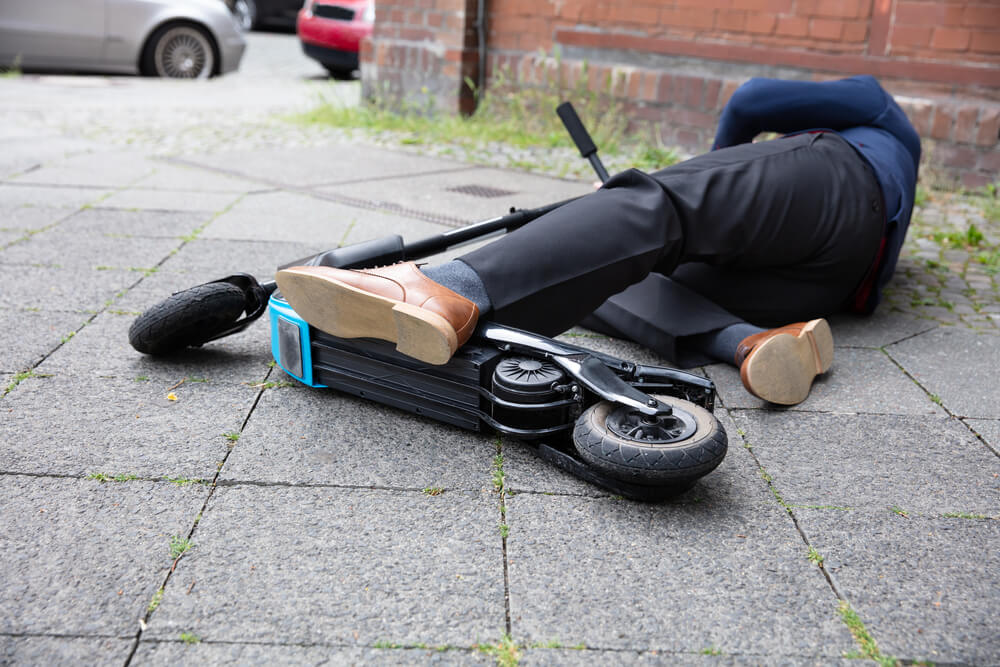
One thing to flag here. If your crash involved an e-bike or electric scooter, the DMV’s online crash report system won’t have it because those reports are handled separately.
Get Your Accident Report Online Through the NYPD Portal
The fastest legitimate way to get your NYPD accident report is the Collision Report Retrieval Portal. It covers crashes the NYPD investigated after September 30, 2016.
You’ll need your accident date, the responding precinct, and a driver’s license number associated with the crash. If an officer handed you a report number at the scene, it would speed things up considerably.
However, the NYPD needs some time to upload the file. Therefore, it is advisable to search 7 days after the accident occurred. Searching too early makes the system tell you nothing exists, even when it does.
The portal only verifies identities for residents of New York, Connecticut, and Massachusetts, which means out-of-state visitors are excluded from the search. Drivers from New Jersey or anywhere else will need a different route, which we cover below.
Get Your Report in Person or by Mail
Some people don’t trust portals; they need the report today, not in a week.
Walking into the precinct that responded to your crash works, as long as it’s within 30 days of the accident. All you need is your report number if you have it, or the crash date and your license. NYPD generally doesn’t charge for in-person pickup, though copies of photos or video tied to the report may carry a small printing fee.
Mailing it in also works, but it is a slower process. Download two copies of the Request for Copy of Collision Record, fill them out completely, and send both to the precinct of occurrence. Most people hear back within two to three weeks.
After 30 days, the precinct sends your file to the state, and you’ll need to chase it through the next route instead.
Get Your Report From the New York State DMV
Once 30 days pass, the precinct no longer holds your file. The New York State DMV now does.
You can order it online through the DMV’s Crash Report Sales Portal using a NY.gov ID, or mail in form MV-198C if you’d rather skip the account setup. Either way, expect to pay between $15 and $25, depending on the method.
This is also the route for accidents the New York State Police investigated, and the only route for crashes that happened outside city limits. If your wreck was specifically on the Thruway, the Thruway Authority handles it separately through its own form.
No Luck? File a FOIL Request
Sometimes, none of the standard channels produces your report. Maybe you weren’t a named party, or the precinct is dragging its feet.
That’s when a Freedom of Information Law request comes in. FOIL requests going directly to the NYPD’s Records Access Officer and forcing a response, even when the normal portals go quiet.
Adam files these constantly for clients who hit a wall everywhere else. It takes longer than the standard routes, sometimes several weeks, but it works when nothing else does.
Found an Error on the Report? Here’s How Adam Fixes It
Officers write these reports fast, often while traffic is still backed up around them. Therefore, mistakes such as incorrect vehicle descriptions, the wrong driver marked at fault, and a missing witness statement occur.
A small error on paper can become a large problem during a claim. Insurance adjusters read these reports line by line, looking for anything that shifts blame onto you.
Adam reviews every report before it touches your case. He has caught faults that didn’t match the physical evidence, and pushed precincts to correct them before the insurance company ever saw them. This is the kind of detail most people don’t think to check until it’s already cost them money.
Why This Report Can Make or Break Your Claim
Adjusters use this report as their first read on liability. So does Adam, except he reads it the other way.
He defended insurance companies for years before he started fighting them. He knows exactly which phrases adjusters circle, which details they use to argue you were partly at fault, and which gaps they exploit to delay payment. That insider knowledge now works only for you.
New York runs on a no-fault system, which means your own insurance covers medical bills and lost wages up to a point, regardless of fault. But pain and suffering, long-term injury, and anything beyond your policy limits require proving the other side caused it. The police report is where that proof starts.
If the crash involved a city vehicle, a municipal bus, or city-owned property, the clock moves even faster. A Notice of Claim must be filed within 90 days, and missing that deadline can end a valid case before it begins.
Hurt and dealing with paperwork at the same time is a lot to carry. You don’t have to carry it alone.
Call Adam. Free. Now. He pulls the report, reviews it for errors, and builds your claim around what it actually says, not what the insurance company wishes it said.
Frequently Asked Questions
Do I need a police report to file an insurance claim in New York?
Not always. You can move forward without one in some cases, but a report makes liability far easier to prove and speeds up the entire claims process.
How long does NYPD hold onto accident reports?
Precincts keep reports for 30 days after the crash. After that, your file moves to the New York State DMV.
How much does it cost to get a copy of my accident report?
In-person pickup at the precinct is typically free. The DMV charges between $15 and $25, depending on which method you use to request it.
What if the officer never gave me a report number at the scene?
You can still search using the crash date, the precinct, and the driver’s license information. Adam’s office can also track it down using just the basic crash details.
Can a lawyer get my police report for me?
Yes. Adam’s team requests these reports directly, reviews them for accuracy, and folds the findings straight into your case strategy while you focus on healing.